
Choose your season around the main activity
The best time to visit Cañon City depends on what anchors the trip. Walking and scenic stops favour a different decision from whitewater rafting, while the train and bridge each have their own operating arrangements. Choose the activity that matters most, establish its practical requirements, and use the remaining time for a flexible second outing.
May and September are useful months to consider for milder daytime conditions. This is a reading of the NOAA Cañon City normals for 1991 to 2020, issued on 23 October 2026, rather than an official recommendation or a forecast. Summer brings hotter daytime averages, while winter has average frost nights. See the full monthly weather table for the underlying temperature and precipitation figures.
A mild month does not establish whether a road, trail or river trip is available on your date. Separate seasonal comfort from access and bookings. If rafting is essential, settle that date first; if a walk is the priority, keep the particular route responsive to the forecast and conditions. This approach avoids trying to make one calendar month answer every part of the visit.
When to go rafting
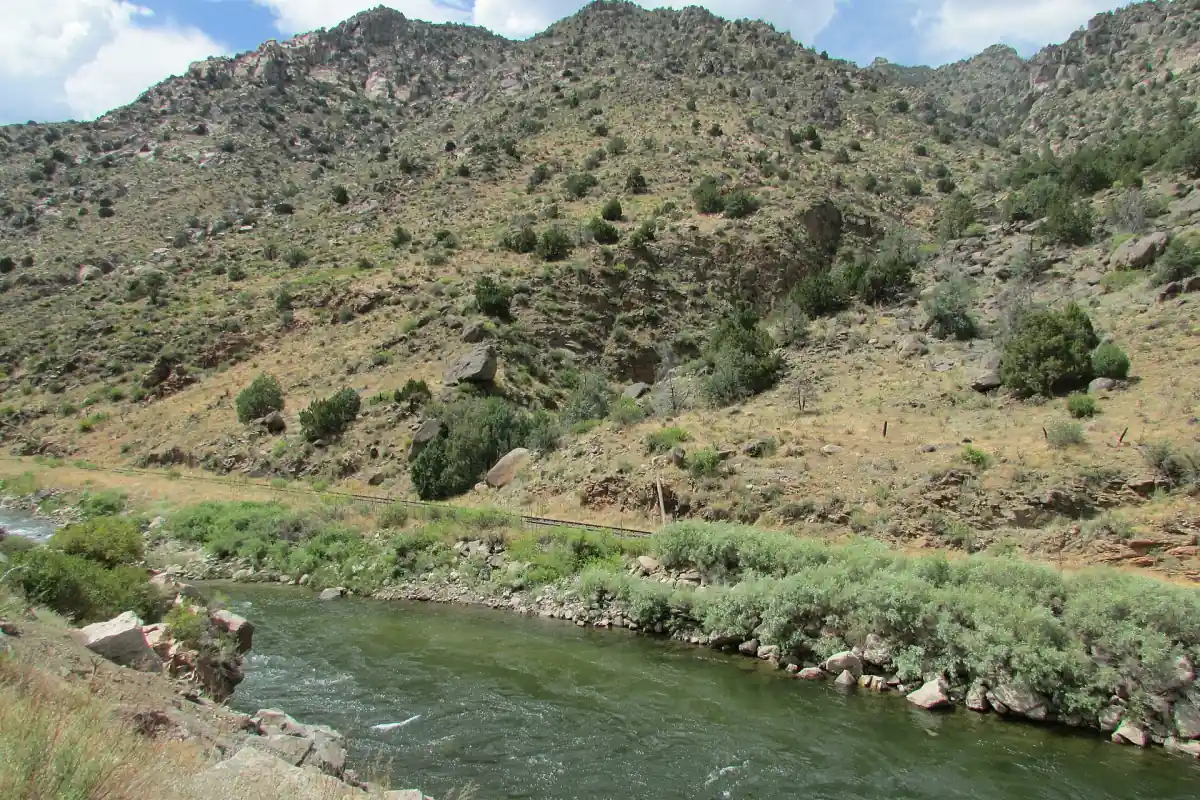
Water level and the river section lead the decision. CPW highlights snowmelt runoff especially in late May and early June, and cold water remains a safety concern even in warm air. Use the current flow, the outfitter's assessment and the participant requirements of the particular product when choosing a date.
One local outfitter describes its rafting season as early April to mid-September, with lower water early in spring and rising flows later. That is the outfitter's seasonal pattern, not a universal or legal calendar for every trip. Cottonwood, Bighorn Sheep Canyon and Royal Gorge are different river outings. Royal Gorge is classified by CPW as difficult Class IV to V, so a convenient date alone does not establish suitability. Read the Royal Gorge rafting guide if that is your intended section.
A river outing to plan for your dates
Check availability, water conditions and your suitability with the operator when planning this Cotopaxi float.
Hand-picked tours, booked through Viator. Prices are indicative starting prices in US dollars (as of October 2026). Tap a tour for live availability and the current price in your currency.
A seasonal Cottonwood float from Cotopaxi
This guided Arkansas River float includes river safety equipment and pickup and drop-off at designated meeting points, with dates chosen for the specific trip and conditions.
Allow time for the local river outing
The Cottonwood float starts near Cotopaxi, with a stated duration of 90 to 150 minutes. A professional guide, commentary, helmet, life vest, splash jacket and wetsuit use are included. Pickup and drop-off concern designated meeting points, so arrange the journey there separately. The seasonal river outing is a distinct part of the visit, rather than transport from an airport or accommodation.
Match the participants to that particular trip with the outfitter. Age, ability and equipment requirements should follow the chosen product and water conditions. Keep the rest of the day flexible enough for the full outing and the travel to its meeting point, rather than treating the shortest duration as the whole time away.
Train rides and visiting the bridge
The train makes a return journey from the Santa Fe Depot in town. Its published operation is year-round, with individual departures governed by the timetable. That makes it worth considering beyond the rafting season, provided your chosen date and carriage are available. Use the Royal Gorge train page to distinguish seating choices and access needs before fixing the day around a departure.
The bridge park publishes seasonal hours and weather-dependent operation. Winter has a shorter published visiting window than summer. Allow the recommended two to three hours for the park itself, with more time for additional activities. Wind and thunderstorms can interrupt rides, so bridge, gondola and optional activities should not all be treated as one guaranteed schedule. The Royal Gorge visitor guide explains the different parts of that visit.
Walking, fossils and scenic stops
For walking, May and September offer a reasonable starting comparison when avoiding the hotter summer daytime averages matters. Garden Park combines landscape, fossil history and walking; its protected character calls for leaving finds in place. Photograph a find, note its location and report it rather than digging, removing or making casts of vertebrate fossils or tracks without a research permit.
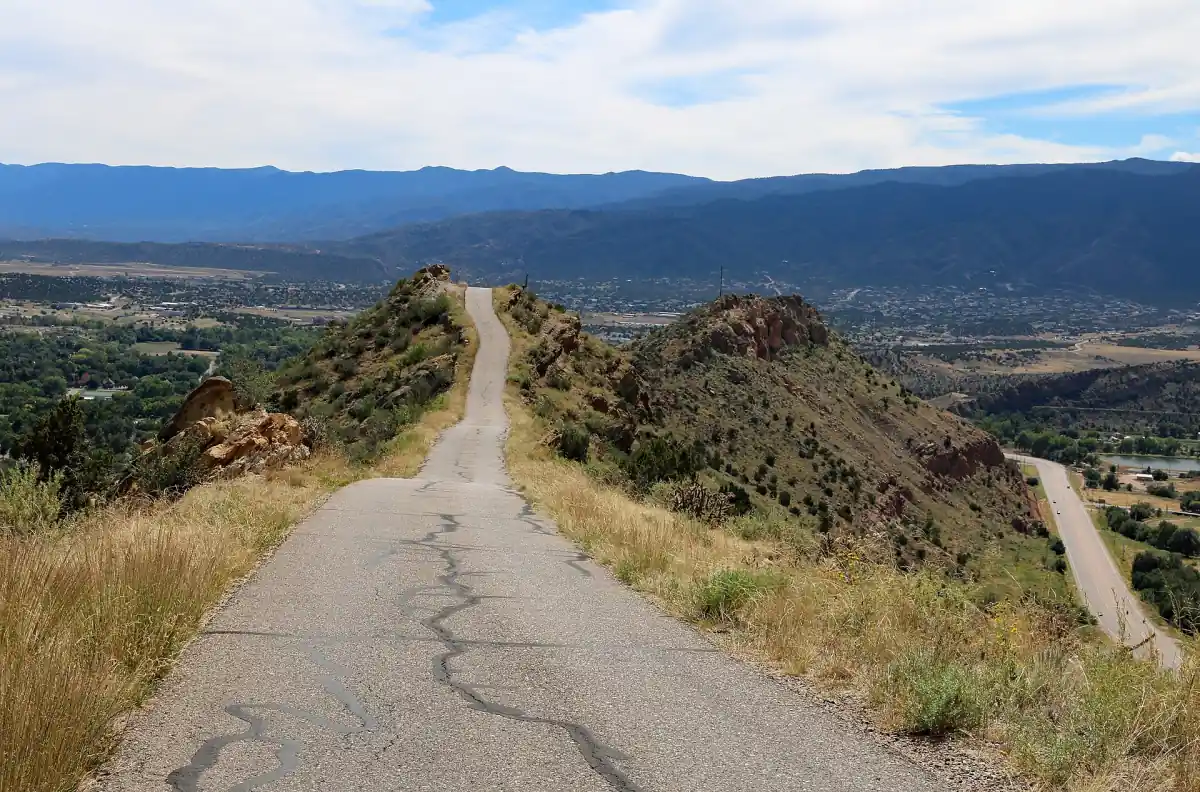
Temple Canyon has trails and Grape Creek access, with daytime access described by the city as dawn to dusk. Keep a walk within that daytime window and treat camping as a separate arrangement. Its narrow, winding gravel access also belongs in the day's planning. Skyline Drive is another distinct scenic outing, an asphalt one-way road on a narrow ridge with an entrance from US 50. Climate averages do not establish the day's road or trail opening. Use the sights and walks guide to choose between these places.
Winter and the order of the day
Winter's average frost nights call for warm layers even when daytime conditions look inviting. Choose a dated train departure or a weather-suitable bridge visit as the main plan, with room to adjust the outdoor portion. In summer, CPW's warning about frequent afternoon thunderstorms supports keeping outdoor plans flexible. Check the day's conditions before committing to the exposed part of the itinerary.
Questions about timing a visit
Which month suits every activity?
Choose by priority. May and September offer milder daytime averages for general outdoor plans, but rafting depends on flow, the section and the particular trip's operating dates.
Can I plan a train visit in winter?
The railway publishes year-round operation. Use the timetable for your date and arrange any access requirements for the selected carriage separately.
Is there a fixed week for rafting?
Use current river conditions and the outfitter's assessment rather than a fixed week. Snowmelt, cold water and the requirements of the specific trip all affect the decision.